

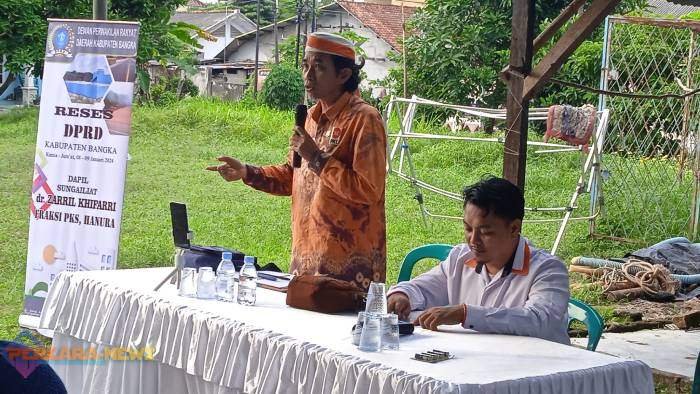
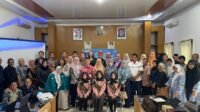
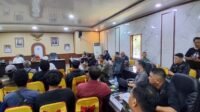
SUNGAILIAT,PERKARANEWS — Dalam rangka mendengarkan langsung aspirasi dan kebutuhan masyarakat, Dr. Zarril, Anggota DPRD Kabupaten Bangka dari fraksi Partai Keadilan Sejahtera (PKS), menyelenggarakan reses di perumahan RSS Pemda Kelurahan Parit Padang, Kecamatan Sungailiat, Kabupaten Bangka. Acara reses tersebut dihadiri oleh berbagai lapisan masyarakat yang mengungkapkan beragam permasalahan dan harapan mereka.
Reses menjadi momen yang sangat berharga dalam mempererat keterlibatan masyarakat dalam proses pembangunan dan pengambilan kebijakan. Zarril dengan penuh dedikasi menyambut setiap suara yang terdengar, setiap keluhan yang disampaikan, serta setiap aspirasi yang dipercayakan oleh masyarakat.
“Kegiatan reses ini sangat penting bagi kami sebagai wakil rakyat untuk mendengar secara langsung aspirasi dan permasalahan yang dihadapi oleh masyarakat. Kami berkomitmen untuk menyalurkan aspirasi tersebut dan berupaya mencarikan solusi yang terbaik,” ujar Zarril kepada sejumlah media, Kamis (8/2/2024).
Dalam reses tersebut, warga menyampaikan berbagai masalah yang dihadapi, mulai dari infrastruktur jalan yang rusak, drainase dan lampu penerangan jalan, hingga masalah harga sembako yang terjangkau. Zarril mendengarkan setiap aspirasi dengan seksama dan mencatatnya untuk diproses lebih lanjut.
Dikatakan Zarril hasil reses diharapkan bisa benar-benar menampung aspirasi rakyat untuk kemudian nantinya akan di buat laporan dan disampaikan kepada bupati sebagai bahan penyusunan program kerja ke depan.
“Saya sangat mengapresiasi partisipasi aktif dari masyarakat dalam menyampaikan aspirasi mereka. Semua masukan ini akan menjadi bahan pertimbangan kami dalam menyusun program kerja yang lebih baik untuk kepentingan bersama,” tambahnya.
Selain mendengarkan aspirasi masyarakat, Zarril juga memberikan penjelasan terkait program-program yang telah dilaksanakan dan rencana kerja kedepannya. Dia juga mengajak seluruh elemen masyarakat untuk terus berperan aktif dalam pembangunan daerah.
Acara reses di perumahan RSS Pemda Sungailiat ini diharapkan dapat menjadi momentum untuk mempererat hubungan antara wakil rakyat dan masyarakat serta meningkatkan transparansi dalam pengambilan kebijakan. Zarril berkomitmen untuk terus berupaya mewujudkan pembangunan yang merata dan berkeadilan bagi seluruh masyarakat Sungailiat. (Yuko)







Прогулки на яхте в Сочи: аренда с маршрутом под ваши желания
аренда яхты http://arenda-yahty-sochi23.ru/ .
truyện giả dược, giả dược truyện
giả dược
сайт ретро казино
Следующая страница retrocasino
Kra33.cc – кракен тор, kra33 at
kraken shop – кра ссылка, кракен клир
Официальное зеркало Кракен – kraken клир ссылка, кракен даркнет тор
kraken зайти – кракен вход, kraken вход
kraken ссылка – kra34 cc, кракен войти
кракен зайти через vpn – кракен даркнет тор, Новый домен kraken
kra ссылка – kraken onion зеркала, kraken сайт зеркала
kraken сайт зеркала – кракен onion, kraken onion ссылка
Отдых в Гаграх в частном секторе рядом с пляжем
гагра отдых http://www.otdyh-gagry.ru .
Kaliteli zaman geçirmek isteyenler için seçilmiş full hd film listeleri
hd türkçe http://www.filmizlehd.co/ .
טלגראס כיוונים חדרה
מערכת טלגראס|מדריך למשתמשים להזמנת מוצרים בקלות ובמהירות
בימים אלה, יישום כלי טכנולוגיים עוזר לנו להפוך תהליכים מורכבים לפשוטים משמעותית. אחד מהשירותים הפופולריים ביותר בתחום הקנאביס בישראל הוא מערכת הטלגראס , שמאפשר למשתמשים למצוא ולהזמין קנאביס בצורה מהירה ובטוחה באמצעות הרשת החברתית טלגרם. במדריך זה נסביר איך עובד טלגראס כיוונים, כיצד הוא עובד, וכיצד תוכלו להשתמש בו כדי לנהל את התהליך בצורה יעילה.
מה מייצגת מערכת טלגראס?
טלגראס כיוונים הוא מערכת אינטרנט שמשמש כמרכז עבור משתמשי טלגראס (קבוצות וערוצים בפלטפורמת טלגרם) המתמקדים בהזמנת ושילוח מוצרים קשורים. האתר מספק קישורים מעודכנים לערוצים מומלצים ופעילים ברחבי הארץ, המאפשרים למשתמשים להזמין קנאביס בצורה פשוטה ויעילה.
ההבסיס לפעול מאחורי טלגראס כיוונים הוא לחבר בין לקוחות למפיצים, תוך שימוש בכלי הטכנולוגיה של הרשת החברתית. כל מה שאתם צריכים לעשות הוא לקבוע את הקישור המתאים, ליצור קשר עם השליח הקרוב אליכם, ולבקש את המשלוח שלכם – הכל נעשה באופן דיגיטלי ומהיר.
איך מתחילים את התהליך?
השימוש בטulgראס כיוונים הוא מובנה בצורה אינטואיטיבית. הנה ההוראות הראשוניות:
כניסה לאתר המידע:
הכינו עבורכם את אתר ההסבר עבור טלגראס כיוונים, שבו תוכלו למצוא את כל הנתונים הנדרשים לערוצים שעברו בדיקה ואימות. האתר כולל גם הדרכות מובנות כיצד לפעול נכון.
בחירת ערוץ מתאים:
האתר מספק רשימת קישורים לבחירה שעוברים בדיקת איכות. כל ערוץ אומת על ידי צרכנים אמיתיים ששלחו המלצות, כך שתדעו שאתם נכנסים לערוץ בטוח ואמין.
קישור ישיר לספק:
לאחר בחירת הערוץ המתאים, תוכלו ליצור קשר עם השליח הקרוב לביתכם. השליח יקבל את ההזמנה שלכם וישלח לכם את המוצר תוך דקות ספורות.
קבלת המשלוח:
אחת ההיתרונות העיקריים היא שהמשלוחים נעשים בזמן ובאיכות. השליחים עובדים בצורה מאובטחת כדי להבטיח שהמוצר יגיע אליכם בדיוק.
היתרונות של טלגראס כיוונים
השימוש בטulgראס כיוונים מציע מספר נקודות חזקות:
سهولة: אין צורך לצאת מהבית או לחפש ספקים באופן עצמאי. כל התהליך מתבצע דרך האפליקציה.
מהירות פעולה: הזמנת המשלוח נעשית תוך דקות, והשליח בדרך אליכם בתוך זמן קצר מאוד.
וודאות: כל הערוצים באתר עוברות תהליך אימות על ידי משתמשים אמיתיים.
נגישות ארצית: האתר מספק קישורים לערוצים מאומתים בכל חלקי המדינה, מהקצה אחד של המדינה ועד השני.
חשיבות הבחירה בערוצים מאומתים
אחד הדברים החשובים ביותר בעת использование טulgראס כיוונים הוא לוודא שאתם נכנסים לערוצים אמינים. ערוצים אלו עברו וידוא תקינות ונבדקו על ידי לקוחות קודמים על החוויה שלהם. זה מבטיח לכם:
מוצרים טובים: השליחים והסוחרים בערוצים המאומתים מספקים מוצרים באיכות גבוהה.
ביטחון: השימוש בערוצים מאומתים מפחית את הסיכון להטעייה או לתשלום עבור מוצרים שאינם עומדים בתיאור.
שירות מקצועי: השליחים בערוצים המומלצים עובדים בצורה מאובטחת ומספקים שירות מפורט ונוח.
האם זה מותר לפי החוק?
חשוב לציין כי השימוש בשירותים כמו טulgראס כיוונים אינו חוקי לפי החוק הישראלי. למרות זאת, רבים בוחרים להשתמש בשיטה זו בשל השימושיות שהיא מספקת. אם אתם בוחרים להשתמש בשירותים אלו, חשוב לפעול באופן מושכל ולבחור ערוצים מאומתים בלבד.
סיכום: איך להתחיל?
אם אתם רוצים להזמין בצורה נוחה להשגת קנאביס בישראל, טulgראס כיוונים עשוי להיות הדרך הנוחה והיעילה. האתר מספק את כל required details, כולל קישורים מעודכנים לערוצים אמינים, מדריכים והסברים כיצד לפעול נכון. עם טulgראס כיוונים, שליח הקנאביס יכול להיות בדרך אליכם במהירות.
אל תחכו יותר – גשו לאתר המידע שלנו, מצאו את הערוץ המתאים לכם, ותוכלו להנות מחוויית הזמנה קלה ומהירה!
טלגראס כיוונים – המערכת שתגיע אליכם.
שירותי טלגרם|הדרכות מפורטות לאיתור והזמנת קנאביס תוך זמן קצר
בעידן המודרני, השימוש בטכנולוגיות מתקדמות עוזר לנו להפוך תהליכים מורכבים לפשוטים משמעותית. תכנית השימוש הנפוצה ביותר בתחום הקנאביס בישראל הוא שירותי ההזמנות בטלגרם , שמאפשר למשתמשים למצוא ולהזמין קנאביס בצורה נוחה ואמינה באמצעות פלטפורמת טלגרם. במדריך זה נסביר מהו טלגראס כיוונים, כיצד הוא עובד, וכיצד תוכלו להשתמש בו כדי לקבל את המוצר שאתם מחפשים.
מה מייצגת מערכת טלגראס?
טלגראס כיוונים הוא אתר מידע שמשמש כאתר עזר למשתמשים (קבוצות וערוצים בפלטפורמת טלגרם) המתמקדים בהזמנת ושילוח קנאביס. האתר מספק רשימות מאומתות לערוצים מומלצים ופעילים ברחבי הארץ, המאפשרים למשתמשים להזמין קנאביס בצורה נוחה ומהירה.
ההרעיון הבסיסי מאחורי טלגראס כיוונים הוא לחבר בין צרכנים לבין שליחים או סוחרים, תוך שימוש בכלי הטכנולוגיה של הרשת החברתית. כל מה שאתם צריכים לעשות הוא לבחור ערוץ מתאים, ליצור קשר עם השליח הקרוב אליכם, ולבקש את המשלוח שלכם – הכל נעשה באופן מבוקר ומדויק.
איך מתחילים את התהליך?
השימוש בטulgראס כיוונים הוא קל ויישומי. הנה השלבים הבסיסיים:
גישה למרכז המידע:
הכינו עבורכם את מרכז המידע עבור טלגראס כיוונים, שבו תוכלו למצוא את כל הקישורים המעודכנים לערוצים שעברו בדיקה ואימות. האתר כולל גם הוראות מפורטות כיצד לפעול נכון.
איתור הערוץ הטוב ביותר:
האתר מספק נתוני ערוצים אמינים שעוברים בדיקת איכות. כל ערוץ אומת על ידי לקוחות קודמים ששלחו המלצות, כך שתדעו שאתם נכנסים לערוץ אמין ומאומת.
קישור ישיר לספק:
לאחר איתור הספק הטוב ביותר, תוכלו ליצור קשר עם השליח הקרוב לביתכם. השליח יקבל את ההזמנה שלכם וישלח לכם את המוצר תוך זמן קצר.
קבלת המשלוח:
אחת ההיתרונות העיקריים היא שהמשלוחים נעשים במהירות ובאופן מקצועני. השליחים עובדים בצורה מאובטחת כדי להבטיח שהמוצר יגיע אליכם בזמן.
למה לבחור את טלגראס?
השימוש בטulgראס כיוונים מציע מספר יתרונות מרכזיים:
פשטות: אין צורך לצאת מהבית או לחפש ספקים באופן עצמאי. כל התהליך מתבצע דרך האפליקציה.
מהירות פעולה: הזמנת המשלוח נעשית בזמן קצר מאוד, והשליח בדרך אליכם בתוך זמן קצר מאוד.
ביטחון: כל הערוצים באתר עוברות ביקורת איכות על ידי לקוחות קודמים.
זמינות בכל הארץ: האתר מספק קישורים לערוצים מאומתים בכל חלקי המדינה, מהמרכז ועד הפריפריה.
חשיבות הבחירה בערוצים מאומתים
אחד הדברים הקריטיים ביותר בעת использование טulgראס כיוונים הוא לוודא שאתם נכנסים לערוצים מאומתים. ערוצים אלו עברו אישור רשמי ונבדקו על ידי לקוחות קודמים על הביצועים והאיכות. זה מבטיח לכם:
מוצרים טובים: השליחים והסוחרים בערוצים המאומתים מספקים מוצרים באיכות גבוהה.
ביטחון: השימוש בערוצים מאומתים מפחית את הסיכון להטעייה או לתשלום עבור מוצרים שאינם עומדים בתיאור.
תמיכה טובה: השליחים בערוצים המומלצים עובדים בצורה מקצועית ומספקים שירות מפורט ונוח.
האם זה מותר לפי החוק?
חשוב לציין כי השימוש בשירותים כמו טulgראס כיוונים אינו מורשה על ידי המדינה. למרות זאת, רבים בוחרים להשתמש בשיטה זו בשל הנוחות שהיא מספקת. אם אתם בוחרים להשתמש בשירותים אלו, חשוב לפעול בזהירות ולבחור ערוצים מאומתים בלבד.
צעד ראשון לשימוש בשירות
אם אתם מעוניינים למצוא פתרון מהיר להשגת קנאביס בישראל, טulgראס כיוונים עשוי להיות הפתרון בשבילכם. האתר מספק את כל המידע הנחוץ, כולל רשימות מומלצות לערוצים מומלצים, מדריכים והסברים כיצד לפעול נכון. עם טulgראס כיוונים, שליח הקנאביס יכול להיות בדרך אליכם תוך דקות ספורות.
אל תחכו יותר – פתחו את המערכת, מצאו את הערוץ המתאים לכם, ותוכלו להנות מחוויית הזמנה קלה ומהירה!
טלגראס כיוונים – המערכת שתגיע אליכם.
Need transportation? how to ship a car to another state car transportation company services — from one car to large lots. Delivery to new owners, between cities. Safety, accuracy, licenses and experience over 10 years.
There’s a ‘ghost hurricane’ in the forecast. It could help predict a real one
гей порно большой
A scary-looking weather forecast showing a hurricane hitting the Gulf Coast in the second half of June swirled around social media this week—but don’t panic.
It’s the season’s first “ghost hurricane.”
Similar hype plays out every hurricane season, especially at the beginning: A cherry-picked, worst-case-scenario model run goes viral, but more often than not, will never come to fruition.
Unofficially dubbed “ghost storms” or “ghost hurricanes,” these tropical systems regularly appear in weather models — computer simulations that help meteorologists forecast future conditions — but never seem to manifest in real life.
The model responsible this week was the Global Forecast System, also known as the GFS or American model, run by the National Oceanic and Atmospheric Administration. It’s one of many used by forecasters around the world.
All models have known biases or “quirks” where they tend to overpredict or underpredict certain things. The GFS is known to overpredict tropical storms and hurricanes in longer-term forecasts that look more than a week into the future, which leads to these false alarms. The GFS isn’t alone in this — all models struggle to accurately predict tropical activity that far in advance — but it is notorious for doing so.
For example, the GFS could spit out a prediction for a US hurricane landfall about 10 days from now, only to have that chance completely disappear as the forecast date draws closer. This can occur at any time of the year, but is most frequent during hurricane season — June through November.
It’s exactly what’s been happening over the past week as forecasters keep an eye out for the first storm of the 2025 Atlantic hurricane season.
Why so many ghosts?
No weather forecast model is designed in the exact same way as another, and that’s why each can generate different results with similar data.
The reason the GFS has more false alarms when looking more than a week out than similar models – like Europe’s ECMWF, Canada’s CMC or the United Kingdom’s UKM – is because that’s exactly what it’s programmed to do, according to Alicia Bentley, the global verification project lead of NOAA’s Environmental Modeling Center.
The GFS was built with a “weak parameterized cumulus convection scheme,” according to Bentley. In plain language, that means when the GFS thinks there could be thunderstorms developing in an area where tropical systems are possible – over the oceans – it’s more likely to jump to the conclusion that something tropical will develop than to ignore it.
Other models aren’t built to be quite as sensitive to this phenomenon, and so they don’t show a tropical system until they’re more confident the right conditions are in place, which usually happens when the forecast gets closer in time.
The western Caribbean Sea is one of the GFS’ favorite places to predict a ghost storm. That’s because of the Central American gyre: a large, disorganized area of showers and thunderstorms that rotates over the region and its surrounding water.
Исследуйте 1xbet-egypt.netlify.app, в мире ставок.
Откройте для себя 1xbet-egypt.netlify.app, вы можете изучить.
Найдите лучшие предложения на 1xbet-egypt.netlify.app, сделать ставки.
1xbet-egypt.netlify.app — ваш игровой рай, новые возможности.
Узнайте о лучших стратегиях на 1xbet-egypt.netlify.app, чтобы.
Вдохновляйтесь игрой на 1xbet-egypt.netlify.app, игра становится увлекательной.
Ставки на спорт на 1xbet-egypt.netlify.app, открыть новые горизонты.
Воспользуйтесь бонусами на 1xbet-egypt.netlify.app, чтобы.
Погрузитесь в захватывающий мир 1xbet-egypt.netlify.app, на платформе.
Исследуйте 1xbet-egypt.netlify.app, увлекательные игры.
1xbet-egypt.netlify.app — ваша удача начинается здесь, вы сможете развлекаться.
Наслаждайтесь игрой на 1xbet-egypt.netlify.app, в котором.
Присоединяйтесь к 1xbet-egypt.netlify.app для увлекательного времяпрепровождения, для того чтобы.
Развлекитесь на 1xbet-egypt.netlify.app, каждый день новые шансы.
Успех начинается с 1xbet-egypt.netlify.app, где.
Цените каждый момент на 1xbet-egypt.netlify.app, с вашим лучшим другом.
Откройте возможности на 1xbet-egypt.netlify.app, где.
Приглашаем вас на 1xbet-egypt.netlify.app, найти успех.
xbet https://1xbet-egypt.netlify.app/ .
car moving company auto transport carriers
¡Hola, aventureros del azar !
Casino por fuera implica libertad total para jugar cuando y donde quieras sin intervenciГіn estatal.No hay lГmites de apuesta ni restricciones por hora o ubicaciГіn.Las promociones son continuas.
Puedes encontrar promociones diarias que solo estГЎn disponibles en un casino online fuera de espaГ±a.Los lГmites de retiro no existen o son muy altos.
Casino fuera de espaГ±a con acceso desde mГіvil y tablet – п»їhttps://casinoporfuera.xyz/
¡Que disfrutes de logros impresionantes
сайт https://forum.hpc.name/thread/f940/101355/kak-pravilno-zapuskat-testy-iz-direktorii-t-v-perl-sovety-i-primery.html
перейдите на этот сайт https://forum.hpc.name/thread/d791/129750/triodnyy-tiristor-oshibka-pri-sborke-shemy-i-reshenie-problemy.html
Tree-covered mountains rise behind a pile of trash, children run through the orange haze of a dust storm, and a billboard standing on parched earth indicates where the seashore used to be before desertification took hold. These striking images, exhibited as part of the Right Here, Right Now Global Climate Summit, show the devastating effects of climate change.
kraken darknet
The summit, held at the University of Oxford in the UK and supported by UN Human Rights (OHCHR), aims to reframe climate change as a human rights crisis and spotlight climate solutions. It works with everyone from policymakers to artists to get the message across.
“Photographers document the human rights impacts of climate change, helping to inform the public and hold governments and businesses accountable,” said Volker Turk, UN High Commissioner for the OHCHR, via email. “The Right Here, Right Now Global Climate Summit shows the power of collective action — uniting storytellers, scientists, indigenous leaders, and others to advance climate solutions rooted in human rights.”
Coinciding with World Environment Day on June 5, the exhibition — titled “Photography 4 Humanity: A Lens on Climate Justice” — features the work of 31 photographers from across the globe, all documenting the effects of global warming and environmental pollution on their own communities.
Climate change disproportionately affects vulnerable populations around the world. Despite emitting far fewer greenhouse gases, low-income nations are suffering the most from extreme weather events and have fewer resources to adapt or recover.
Photographs at the exhibition show the effects of desertification, flooding and plastic pollution. A black and white image shows the ruins of a house in West Bengal, India, sloping towards the Ganges River, with the owner sitting alongside. Riverbank erosion is degrading the environment and displacing communities in the area. Photographer Masood Sarwer said in a press release that the photo depicts the “slow violence” of climate change: “These are not sudden disasters, but slow-moving, relentless ones — shaping a new category of environmental refugees.”
Another photo, taken by Aung Chan Thar, shows children fishing for trash in Inle Lake, Myanmar. The lake was once a pristine natural wonder but now faces the growing threat of plastic pollution. “This image of children cleaning the water symbolizes the importance of education and collective action in preserving our environment for a sustainable future,” he said.
Organizers hope that the exhibition will help to humanize the climate crisis. “Our mission is to inspire new perspectives through photography,” said Pauline Benthede, global vice president of artistic direction and exhibitions at Fotografiska, the museum of photography, art and culture that is curating the exhibition at the summit. “It draws attention to the human rights issue at the heart of global warming, which affects both the world’s landscapes and the people that live within them.”
“Photography is the most influential and inclusive art form of our times and has the power to foster understanding and inspire action,” she added.
Tree-covered mountains rise behind a pile of trash, children run through the orange haze of a dust storm, and a billboard standing on parched earth indicates where the seashore used to be before desertification took hold. These striking images, exhibited as part of the Right Here, Right Now Global Climate Summit, show the devastating effects of climate change.
kraken onion
The summit, held at the University of Oxford in the UK and supported by UN Human Rights (OHCHR), aims to reframe climate change as a human rights crisis and spotlight climate solutions. It works with everyone from policymakers to artists to get the message across.
“Photographers document the human rights impacts of climate change, helping to inform the public and hold governments and businesses accountable,” said Volker Turk, UN High Commissioner for the OHCHR, via email. “The Right Here, Right Now Global Climate Summit shows the power of collective action — uniting storytellers, scientists, indigenous leaders, and others to advance climate solutions rooted in human rights.”
Coinciding with World Environment Day on June 5, the exhibition — titled “Photography 4 Humanity: A Lens on Climate Justice” — features the work of 31 photographers from across the globe, all documenting the effects of global warming and environmental pollution on their own communities.
Climate change disproportionately affects vulnerable populations around the world. Despite emitting far fewer greenhouse gases, low-income nations are suffering the most from extreme weather events and have fewer resources to adapt or recover.
Photographs at the exhibition show the effects of desertification, flooding and plastic pollution. A black and white image shows the ruins of a house in West Bengal, India, sloping towards the Ganges River, with the owner sitting alongside. Riverbank erosion is degrading the environment and displacing communities in the area. Photographer Masood Sarwer said in a press release that the photo depicts the “slow violence” of climate change: “These are not sudden disasters, but slow-moving, relentless ones — shaping a new category of environmental refugees.”
Another photo, taken by Aung Chan Thar, shows children fishing for trash in Inle Lake, Myanmar. The lake was once a pristine natural wonder but now faces the growing threat of plastic pollution. “This image of children cleaning the water symbolizes the importance of education and collective action in preserving our environment for a sustainable future,” he said.
Organizers hope that the exhibition will help to humanize the climate crisis. “Our mission is to inspire new perspectives through photography,” said Pauline Benthede, global vice president of artistic direction and exhibitions at Fotografiska, the museum of photography, art and culture that is curating the exhibition at the summit. “It draws attention to the human rights issue at the heart of global warming, which affects both the world’s landscapes and the people that live within them.”
“Photography is the most influential and inclusive art form of our times and has the power to foster understanding and inspire action,” she added.
visit this site right here https://sollet-wallet.io/
NASA scientists are in a state of anxious limbo after the Trump administration proposed a budget that would eliminate one of the United States’ top climate labs – the NASA Goddard Institute for Space Studies, or GISS – as a standalone entity.
kra34cc
In its place, it would move some of the lab’s functions into a broader environmental modeling effort across the agency.
Career specialists are now working remotely, awaiting details and even more unsure about their future at the lab after they were kicked out of their longtime home in New York City last week. Closing the lab for good could jeopardize its value and the country’s leadership role in global climate science, sources say.
“It’s an absolute sh*tshow,” one GISS scientist said under condition of anonymity because they were not authorized to speak to the media. “Morale at GISS has never been lower, and it feels for all of us that we are being abandoned by NASA leadership.”
“We are supposedly going to be integrated into this new virtual NASA modeling institute, but (we have) no idea what that will actually look like,” they said.
NASA is defending its budget proposal, with a nod toward the lab’s future.
“NASA’s GISS has a significant place in the history of space science and its work is critical for the Earth Science Division, particularly as the division looks to the future of its modeling work and capabilities,” NASA spokesperson Cheryl Warner said in a statement.
“Fundamental contributions in research and applications from GISS directly impact daily life by showing the Earth system connections that impact the air we breathe, our health, the food we grow, and the cities we live in,” Warner said.
GISS has a storied history in climate science on the global scale.
James Hansen, a former director, first called national attention to human-caused global warming at a Senate hearing during the hot summer of 1988. The lab, founded in 1961, is still known worldwide for its computer modeling of the planet that enable scientists to make projections for how climate change may affect global temperatures, precipitation, extreme weather events and other variables.
NASA scientists are in a state of anxious limbo after the Trump administration proposed a budget that would eliminate one of the United States’ top climate labs – the NASA Goddard Institute for Space Studies, or GISS – as a standalone entity.
kra34 cc
In its place, it would move some of the lab’s functions into a broader environmental modeling effort across the agency.
Career specialists are now working remotely, awaiting details and even more unsure about their future at the lab after they were kicked out of their longtime home in New York City last week. Closing the lab for good could jeopardize its value and the country’s leadership role in global climate science, sources say.
“It’s an absolute sh*tshow,” one GISS scientist said under condition of anonymity because they were not authorized to speak to the media. “Morale at GISS has never been lower, and it feels for all of us that we are being abandoned by NASA leadership.”
“We are supposedly going to be integrated into this new virtual NASA modeling institute, but (we have) no idea what that will actually look like,” they said.
NASA is defending its budget proposal, with a nod toward the lab’s future.
“NASA’s GISS has a significant place in the history of space science and its work is critical for the Earth Science Division, particularly as the division looks to the future of its modeling work and capabilities,” NASA spokesperson Cheryl Warner said in a statement.
“Fundamental contributions in research and applications from GISS directly impact daily life by showing the Earth system connections that impact the air we breathe, our health, the food we grow, and the cities we live in,” Warner said.
GISS has a storied history in climate science on the global scale.
James Hansen, a former director, first called national attention to human-caused global warming at a Senate hearing during the hot summer of 1988. The lab, founded in 1961, is still known worldwide for its computer modeling of the planet that enable scientists to make projections for how climate change may affect global temperatures, precipitation, extreme weather events and other variables.
Learn More Here https://sollet-wallet.io/
NASA scientists are in a state of anxious limbo after the Trump administration proposed a budget that would eliminate one of the United States’ top climate labs – the NASA Goddard Institute for Space Studies, or GISS – as a standalone entity.
kra35 cc
In its place, it would move some of the lab’s functions into a broader environmental modeling effort across the agency.
Career specialists are now working remotely, awaiting details and even more unsure about their future at the lab after they were kicked out of their longtime home in New York City last week. Closing the lab for good could jeopardize its value and the country’s leadership role in global climate science, sources say.
“It’s an absolute sh*tshow,” one GISS scientist said under condition of anonymity because they were not authorized to speak to the media. “Morale at GISS has never been lower, and it feels for all of us that we are being abandoned by NASA leadership.”
“We are supposedly going to be integrated into this new virtual NASA modeling institute, but (we have) no idea what that will actually look like,” they said.
NASA is defending its budget proposal, with a nod toward the lab’s future.
“NASA’s GISS has a significant place in the history of space science and its work is critical for the Earth Science Division, particularly as the division looks to the future of its modeling work and capabilities,” NASA spokesperson Cheryl Warner said in a statement.
“Fundamental contributions in research and applications from GISS directly impact daily life by showing the Earth system connections that impact the air we breathe, our health, the food we grow, and the cities we live in,” Warner said.
GISS has a storied history in climate science on the global scale.
James Hansen, a former director, first called national attention to human-caused global warming at a Senate hearing during the hot summer of 1988. The lab, founded in 1961, is still known worldwide for its computer modeling of the planet that enable scientists to make projections for how climate change may affect global temperatures, precipitation, extreme weather events and other variables.
Алкоголь с доставкой: решение для тех, кто ценит комфорт и сервис
заказать алкоголь алкоголь на дом 24 часа москва .
Jan Beutel was half-watching a live stream of Kleines Nesthorn, a mountain peak in the Swiss Alps, when he realized its cacophony of creaks and rumbles was getting louder. He dropped his work, turned up the sound and found himself unable to look away.
кракен онион
“The whole screen exploded,” he said.
Beutel, a computer engineer specializing in mountain monitoring, had just witnessed a glacier collapse. On May 28, an avalanche of millions of tons of ice and rock barreled down the slope, burying Blatten, a centuries-old village nestled in the valley below.
Local authorities had already evacuated the village after parts of the mountain had crumbled onto the glacier; a 64-year old man believed to have stayed remains missing.
But no one expected an event of this magnitude.
Successive rock avalanches onto the glacier increased the pressure on the ice, causing it to melt faster and the glacier to accelerate, eventually destabilizing it and pushing it from its bed. The collapse was sudden, violent and catastrophic. “This one just left no moment to catch a breath,” Beutel said.
The underlying causes will take time to unravel. A collapse of this magnitude would have been set in motion by geological factors going back decades at least, said Matthias Huss, a glaciologist at the Swiss university ETH Zurich.
But it’s “likely climate change is involved,” he said, as warming temperatures melt the ice that holds mountains together. It’s a problem affecting mountains across the planet.
People have long been fascinated with mountains for their dramatic beauty. Some make their homes beneath them — around 1 billion live in mountain communities — others are drawn by adventure, the challenge of conquering peaks.
These majestic landscapes have always been dangerous, but as the world warms, they are becoming much more unpredictable and much deadlier.
“We do not fully understand the hazard at the moment, nor how the dangers are changing with climate change,” said David Petley, an Earth scientist at the University of Hull in England.
Jan Beutel was half-watching a live stream of Kleines Nesthorn, a mountain peak in the Swiss Alps, when he realized its cacophony of creaks and rumbles was getting louder. He dropped his work, turned up the sound and found himself unable to look away.
кракен онион
“The whole screen exploded,” he said.
Beutel, a computer engineer specializing in mountain monitoring, had just witnessed a glacier collapse. On May 28, an avalanche of millions of tons of ice and rock barreled down the slope, burying Blatten, a centuries-old village nestled in the valley below.
Local authorities had already evacuated the village after parts of the mountain had crumbled onto the glacier; a 64-year old man believed to have stayed remains missing.
But no one expected an event of this magnitude.
Successive rock avalanches onto the glacier increased the pressure on the ice, causing it to melt faster and the glacier to accelerate, eventually destabilizing it and pushing it from its bed. The collapse was sudden, violent and catastrophic. “This one just left no moment to catch a breath,” Beutel said.
The underlying causes will take time to unravel. A collapse of this magnitude would have been set in motion by geological factors going back decades at least, said Matthias Huss, a glaciologist at the Swiss university ETH Zurich.
But it’s “likely climate change is involved,” he said, as warming temperatures melt the ice that holds mountains together. It’s a problem affecting mountains across the planet.
People have long been fascinated with mountains for their dramatic beauty. Some make their homes beneath them — around 1 billion live in mountain communities — others are drawn by adventure, the challenge of conquering peaks.
These majestic landscapes have always been dangerous, but as the world warms, they are becoming much more unpredictable and much deadlier.
“We do not fully understand the hazard at the moment, nor how the dangers are changing with climate change,” said David Petley, an Earth scientist at the University of Hull in England.
anonymous Sollet io
Jan Beutel was half-watching a live stream of Kleines Nesthorn, a mountain peak in the Swiss Alps, when he realized its cacophony of creaks and rumbles was getting louder. He dropped his work, turned up the sound and found himself unable to look away.
kraken тор
“The whole screen exploded,” he said.
Beutel, a computer engineer specializing in mountain monitoring, had just witnessed a glacier collapse. On May 28, an avalanche of millions of tons of ice and rock barreled down the slope, burying Blatten, a centuries-old village nestled in the valley below.
Local authorities had already evacuated the village after parts of the mountain had crumbled onto the glacier; a 64-year old man believed to have stayed remains missing.
But no one expected an event of this magnitude.
Successive rock avalanches onto the glacier increased the pressure on the ice, causing it to melt faster and the glacier to accelerate, eventually destabilizing it and pushing it from its bed. The collapse was sudden, violent and catastrophic. “This one just left no moment to catch a breath,” Beutel said.
The underlying causes will take time to unravel. A collapse of this magnitude would have been set in motion by geological factors going back decades at least, said Matthias Huss, a glaciologist at the Swiss university ETH Zurich.
But it’s “likely climate change is involved,” he said, as warming temperatures melt the ice that holds mountains together. It’s a problem affecting mountains across the planet.
People have long been fascinated with mountains for their dramatic beauty. Some make their homes beneath them — around 1 billion live in mountain communities — others are drawn by adventure, the challenge of conquering peaks.
These majestic landscapes have always been dangerous, but as the world warms, they are becoming much more unpredictable and much deadlier.
“We do not fully understand the hazard at the moment, nor how the dangers are changing with climate change,” said David Petley, an Earth scientist at the University of Hull in England.
Jan Beutel was half-watching a live stream of Kleines Nesthorn, a mountain peak in the Swiss Alps, when he realized its cacophony of creaks and rumbles was getting louder. He dropped his work, turned up the sound and found himself unable to look away.
kraken
“The whole screen exploded,” he said.
Beutel, a computer engineer specializing in mountain monitoring, had just witnessed a glacier collapse. On May 28, an avalanche of millions of tons of ice and rock barreled down the slope, burying Blatten, a centuries-old village nestled in the valley below.
Local authorities had already evacuated the village after parts of the mountain had crumbled onto the glacier; a 64-year old man believed to have stayed remains missing.
But no one expected an event of this magnitude.
Successive rock avalanches onto the glacier increased the pressure on the ice, causing it to melt faster and the glacier to accelerate, eventually destabilizing it and pushing it from its bed. The collapse was sudden, violent and catastrophic. “This one just left no moment to catch a breath,” Beutel said.
The underlying causes will take time to unravel. A collapse of this magnitude would have been set in motion by geological factors going back decades at least, said Matthias Huss, a glaciologist at the Swiss university ETH Zurich.
But it’s “likely climate change is involved,” he said, as warming temperatures melt the ice that holds mountains together. It’s a problem affecting mountains across the planet.
People have long been fascinated with mountains for their dramatic beauty. Some make their homes beneath them — around 1 billion live in mountain communities — others are drawn by adventure, the challenge of conquering peaks.
These majestic landscapes have always been dangerous, but as the world warms, they are becoming much more unpredictable and much deadlier.
“We do not fully understand the hazard at the moment, nor how the dangers are changing with climate change,” said David Petley, an Earth scientist at the University of Hull in England.
check this link right here now Sollet
Jan Beutel was half-watching a live stream of Kleines Nesthorn, a mountain peak in the Swiss Alps, when he realized its cacophony of creaks and rumbles was getting louder. He dropped his work, turned up the sound and found himself unable to look away.
kra35 cc
“The whole screen exploded,” he said.
Beutel, a computer engineer specializing in mountain monitoring, had just witnessed a glacier collapse. On May 28, an avalanche of millions of tons of ice and rock barreled down the slope, burying Blatten, a centuries-old village nestled in the valley below.
Local authorities had already evacuated the village after parts of the mountain had crumbled onto the glacier; a 64-year old man believed to have stayed remains missing.
But no one expected an event of this magnitude.
Successive rock avalanches onto the glacier increased the pressure on the ice, causing it to melt faster and the glacier to accelerate, eventually destabilizing it and pushing it from its bed. The collapse was sudden, violent and catastrophic. “This one just left no moment to catch a breath,” Beutel said.
The underlying causes will take time to unravel. A collapse of this magnitude would have been set in motion by geological factors going back decades at least, said Matthias Huss, a glaciologist at the Swiss university ETH Zurich.
But it’s “likely climate change is involved,” he said, as warming temperatures melt the ice that holds mountains together. It’s a problem affecting mountains across the planet.
People have long been fascinated with mountains for their dramatic beauty. Some make their homes beneath them — around 1 billion live in mountain communities — others are drawn by adventure, the challenge of conquering peaks.
These majestic landscapes have always been dangerous, but as the world warms, they are becoming much more unpredictable and much deadlier.
“We do not fully understand the hazard at the moment, nor how the dangers are changing with climate change,” said David Petley, an Earth scientist at the University of Hull in England.
Scientists mapped what happens if a crucial system of ocean currents collapses. The weather impact would be extreme
пинап 2025
The collapse of a crucial network of Atlantic Ocean currents could push parts of the world into a deep freeze, with winter temperatures plunging to around minus 55 degrees Fahrenheit in some cities, bringing “profound climate and societal impacts,” according to a new study.
There is increasing concern about the future of the Atlantic Meridional Overturning Circulation — known as the AMOC — a system of currents that works like a giant conveyor belt, pulling warm water from the Southern Hemisphere and tropics to the Northern Hemisphere, where it cools, sinks and flows back south.
Multiple studies suggest the AMOC is weakening with some projecting it could even collapse this century as global warming disrupts the balance of heat and salinity that keeps it moving. This would usher in huge global weather and climate shifts — including plunging temperatures in Europe, which relies on the AMOC for its mild climate.
What’s less clear, however, is how these impacts will unfold in a world heated up by humans burning fossil fuels.
“What if the AMOC collapses and we have climate change? Does the cooling win or does the warming win?” asked Rene van Westen, a marine and atmospheric researcher at Utrecht University in the Netherlands and co-author of the paper published Wednesday in the Geophysical Research Letters journal.
This new study is the first to use a modern, complex climate model to answer the question, he told CNN.
The researchers looked at a scenario where the AMOC weakens by 80% and the Earth is around 2 degrees Celsius warmer than the period before humans began burning large amounts of fossil fuels. The planet is currently at 1.2 degrees of warming.
They focused on what would happen as the climate stabilized post-collapse, multiple decades into the future.
Even in this hotter world, they found “substantial cooling” over Europe with sharp drops in average winter temperatures and more intense cold extremes — a very different picture than the United States, where the study found temperatures would continue to increase even with an AMOC collapse.
Sea ice would spread southward as far as Scandinavia, parts of the United Kingdom and the Netherlands, the research found. This would have a huge impact on cold extremes as the white surface of the ice reflects the sun’s energy back into space, amplifying cooling.
The scientists have created an interactive map to visualize the impacts of an AMOC collapse across the globe.
check my blog Sollet
from this source Solet.io
Deep below the surface of the ground in one of the driest parts of the country, there is a looming problem: The water is running out — but not the kind that fills lakes, streams and reservoirs.
kra35.cc
The amount of groundwater that has been pumped out of the Colorado River Basin since 2003 is enough to fill Lake Mead, researchers report in a study published earlier this week. Most of that water was used to irrigate fields of alfalfa and vegetables grown in the desert Southwest.
No one knows exactly how much is left, but the study, published in the journal Geophysical Research Letters, shows an alarming rate of withdrawal of a vital water source for a region that could also see its supply of Colorado River water shrink.
“We’re using it faster and faster,” said Jay Famiglietti, an Arizona State University professor and the study’s senior author.
In the past two decades, groundwater basins – or large, underground aquifers – lost more than twice the amount of water that was taken out of major surface reservoirs, Famiglietti’s team found, like Mead and Lake Powell, which themselves have seen water levels crash.
The Arizona State University research team measured more than two decades of NASA satellite observations and used land modeling to trace how groundwater tables in the Colorado River basin were dwindling. The team focused mostly on Arizona, a state that is particularly vulnerable to future cutbacks on the Colorado River.
Groundwater makes up about 35% of the total water supply for Arizona, said Sarah Porter, director of the Kyl Center for Water Policy at Arizona State University, who was not directly involved in the study.
The study found groundwater tables in the Lower Colorado River basin, and Arizona in particular, have declined significantly in the last decade. The problem is especially pronounced in Arizona’s rural areas, many of which don’t have groundwater regulations, and little backup supply from rivers. With wells in rural Arizona increasingly running dry, farmers and homeowners now drill thousands of feet into the ground to access water.
Scientists don’t know exactly how much groundwater is left in Arizona, Famiglietti added, but the signs are troubling.
“We have seen dry stream beds for decades,” he said. “That’s an indication that the connection between groundwater and rivers has been lost.”
Deep below the surface of the ground in one of the driest parts of the country, there is a looming problem: The water is running out — but not the kind that fills lakes, streams and reservoirs.
kra35.cc
The amount of groundwater that has been pumped out of the Colorado River Basin since 2003 is enough to fill Lake Mead, researchers report in a study published earlier this week. Most of that water was used to irrigate fields of alfalfa and vegetables grown in the desert Southwest.
No one knows exactly how much is left, but the study, published in the journal Geophysical Research Letters, shows an alarming rate of withdrawal of a vital water source for a region that could also see its supply of Colorado River water shrink.
“We’re using it faster and faster,” said Jay Famiglietti, an Arizona State University professor and the study’s senior author.
In the past two decades, groundwater basins – or large, underground aquifers – lost more than twice the amount of water that was taken out of major surface reservoirs, Famiglietti’s team found, like Mead and Lake Powell, which themselves have seen water levels crash.
The Arizona State University research team measured more than two decades of NASA satellite observations and used land modeling to trace how groundwater tables in the Colorado River basin were dwindling. The team focused mostly on Arizona, a state that is particularly vulnerable to future cutbacks on the Colorado River.
Groundwater makes up about 35% of the total water supply for Arizona, said Sarah Porter, director of the Kyl Center for Water Policy at Arizona State University, who was not directly involved in the study.
The study found groundwater tables in the Lower Colorado River basin, and Arizona in particular, have declined significantly in the last decade. The problem is especially pronounced in Arizona’s rural areas, many of which don’t have groundwater regulations, and little backup supply from rivers. With wells in rural Arizona increasingly running dry, farmers and homeowners now drill thousands of feet into the ground to access water.
Scientists don’t know exactly how much groundwater is left in Arizona, Famiglietti added, but the signs are troubling.
“We have seen dry stream beds for decades,” he said. “That’s an indication that the connection between groundwater and rivers has been lost.”
Deep below the surface of the ground in one of the driest parts of the country, there is a looming problem: The water is running out — but not the kind that fills lakes, streams and reservoirs.
кракен вход
The amount of groundwater that has been pumped out of the Colorado River Basin since 2003 is enough to fill Lake Mead, researchers report in a study published earlier this week. Most of that water was used to irrigate fields of alfalfa and vegetables grown in the desert Southwest.
No one knows exactly how much is left, but the study, published in the journal Geophysical Research Letters, shows an alarming rate of withdrawal of a vital water source for a region that could also see its supply of Colorado River water shrink.
“We’re using it faster and faster,” said Jay Famiglietti, an Arizona State University professor and the study’s senior author.
In the past two decades, groundwater basins – or large, underground aquifers – lost more than twice the amount of water that was taken out of major surface reservoirs, Famiglietti’s team found, like Mead and Lake Powell, which themselves have seen water levels crash.
The Arizona State University research team measured more than two decades of NASA satellite observations and used land modeling to trace how groundwater tables in the Colorado River basin were dwindling. The team focused mostly on Arizona, a state that is particularly vulnerable to future cutbacks on the Colorado River.
Groundwater makes up about 35% of the total water supply for Arizona, said Sarah Porter, director of the Kyl Center for Water Policy at Arizona State University, who was not directly involved in the study.
The study found groundwater tables in the Lower Colorado River basin, and Arizona in particular, have declined significantly in the last decade. The problem is especially pronounced in Arizona’s rural areas, many of which don’t have groundwater regulations, and little backup supply from rivers. With wells in rural Arizona increasingly running dry, farmers and homeowners now drill thousands of feet into the ground to access water.
Scientists don’t know exactly how much groundwater is left in Arizona, Famiglietti added, but the signs are troubling.
“We have seen dry stream beds for decades,” he said. “That’s an indication that the connection between groundwater and rivers has been lost.”
Deep below the surface of the ground in one of the driest parts of the country, there is a looming problem: The water is running out — but not the kind that fills lakes, streams and reservoirs.
kra35 cc
The amount of groundwater that has been pumped out of the Colorado River Basin since 2003 is enough to fill Lake Mead, researchers report in a study published earlier this week. Most of that water was used to irrigate fields of alfalfa and vegetables grown in the desert Southwest.
No one knows exactly how much is left, but the study, published in the journal Geophysical Research Letters, shows an alarming rate of withdrawal of a vital water source for a region that could also see its supply of Colorado River water shrink.
“We’re using it faster and faster,” said Jay Famiglietti, an Arizona State University professor and the study’s senior author.
In the past two decades, groundwater basins – or large, underground aquifers – lost more than twice the amount of water that was taken out of major surface reservoirs, Famiglietti’s team found, like Mead and Lake Powell, which themselves have seen water levels crash.
The Arizona State University research team measured more than two decades of NASA satellite observations and used land modeling to trace how groundwater tables in the Colorado River basin were dwindling. The team focused mostly on Arizona, a state that is particularly vulnerable to future cutbacks on the Colorado River.
Groundwater makes up about 35% of the total water supply for Arizona, said Sarah Porter, director of the Kyl Center for Water Policy at Arizona State University, who was not directly involved in the study.
The study found groundwater tables in the Lower Colorado River basin, and Arizona in particular, have declined significantly in the last decade. The problem is especially pronounced in Arizona’s rural areas, many of which don’t have groundwater regulations, and little backup supply from rivers. With wells in rural Arizona increasingly running dry, farmers and homeowners now drill thousands of feet into the ground to access water.
Scientists don’t know exactly how much groundwater is left in Arizona, Famiglietti added, but the signs are troubling.
“We have seen dry stream beds for decades,” he said. “That’s an indication that the connection between groundwater and rivers has been lost.”
Deep below the surface of the ground in one of the driest parts of the country, there is a looming problem: The water is running out — but not the kind that fills lakes, streams and reservoirs.
kraken тор
The amount of groundwater that has been pumped out of the Colorado River Basin since 2003 is enough to fill Lake Mead, researchers report in a study published earlier this week. Most of that water was used to irrigate fields of alfalfa and vegetables grown in the desert Southwest.
No one knows exactly how much is left, but the study, published in the journal Geophysical Research Letters, shows an alarming rate of withdrawal of a vital water source for a region that could also see its supply of Colorado River water shrink.
“We’re using it faster and faster,” said Jay Famiglietti, an Arizona State University professor and the study’s senior author.
In the past two decades, groundwater basins – or large, underground aquifers – lost more than twice the amount of water that was taken out of major surface reservoirs, Famiglietti’s team found, like Mead and Lake Powell, which themselves have seen water levels crash.
The Arizona State University research team measured more than two decades of NASA satellite observations and used land modeling to trace how groundwater tables in the Colorado River basin were dwindling. The team focused mostly on Arizona, a state that is particularly vulnerable to future cutbacks on the Colorado River.
Groundwater makes up about 35% of the total water supply for Arizona, said Sarah Porter, director of the Kyl Center for Water Policy at Arizona State University, who was not directly involved in the study.
The study found groundwater tables in the Lower Colorado River basin, and Arizona in particular, have declined significantly in the last decade. The problem is especially pronounced in Arizona’s rural areas, many of which don’t have groundwater regulations, and little backup supply from rivers. With wells in rural Arizona increasingly running dry, farmers and homeowners now drill thousands of feet into the ground to access water.
Scientists don’t know exactly how much groundwater is left in Arizona, Famiglietti added, but the signs are troubling.
“We have seen dry stream beds for decades,” he said. “That’s an indication that the connection between groundwater and rivers has been lost.”
svt-stroy.ru – Все о стройке и ремонте.
Разбираем подробно – Как установить двери в шкаф-купе в нашем строительном блоге.
Советы опытных специалистов, дизайнеров и инженеров! Ремонтируйте свой загородный дом с умом!
Профессиональное https://kosmetologicheskoe-oborudovanie-msk.ru для салонов красоты, клиник и частных мастеров. Аппараты для чистки, омоложения, лазерной эпиляции, лифтинга и ухода за кожей.
Сервисный центр предлагает качественый ремонт кондиционеров roda ремонт кондиционера roda на дому